Log in
Home Event Listing
Hot News
  • Machinery News
  • Industry News
  • Exhibition News
Cooperation Demand Form Demand List
Language
  • English
  • 繁體中文
  • Home

Fresh-Frozen Herbs Get a Makeover with a Soft, Scoopable Format
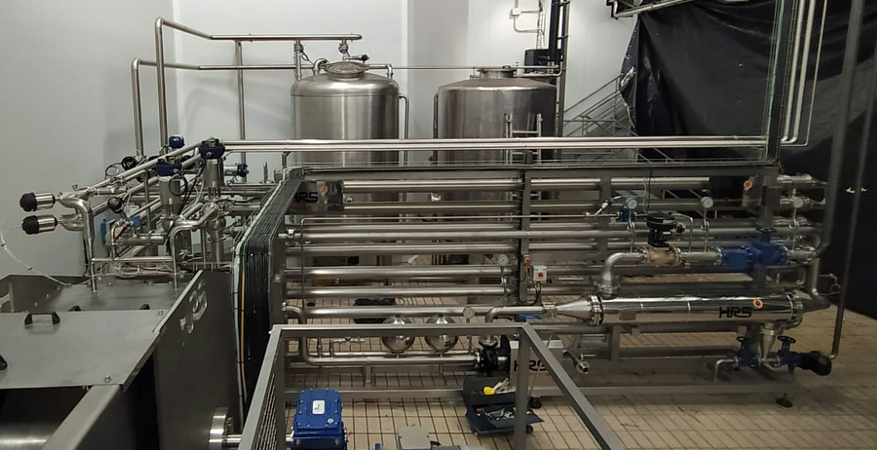
Lose your cool with the HRS I Series
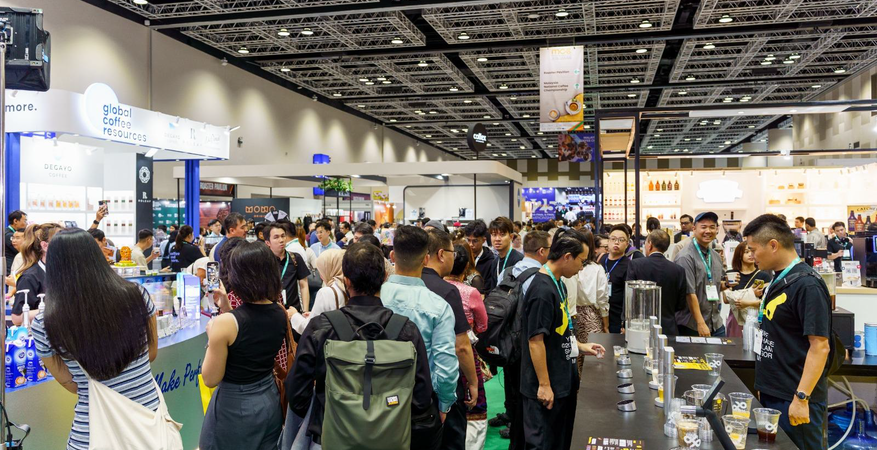
Turn Business Opportunities Into Growth at MIFB
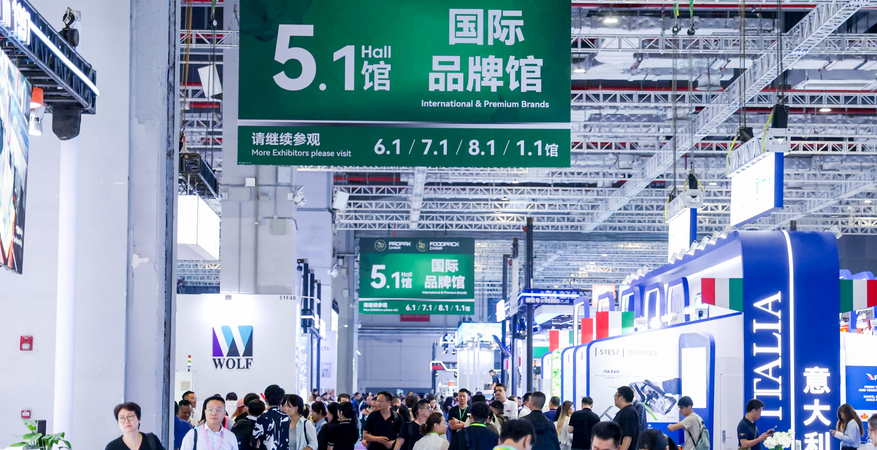
ProPak China 2026 – 200,000 sqm Premier Processing & Packaging Event Opens This June
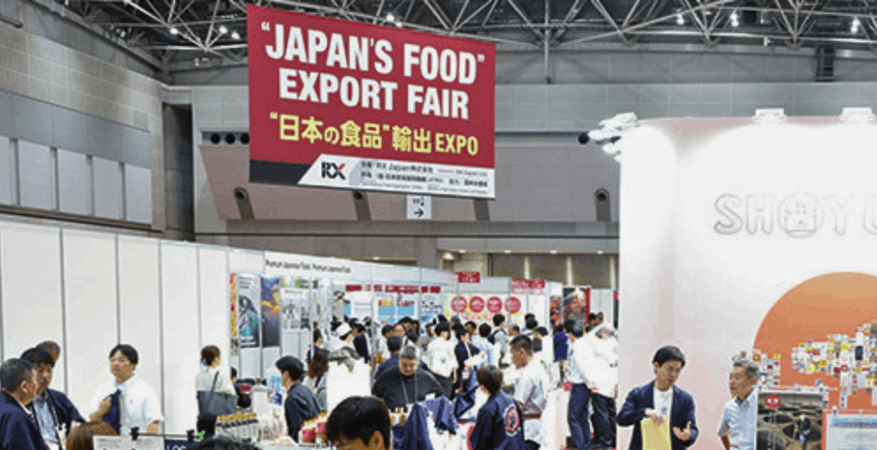
“JAPAN’S FOOD” EXPORT FAIR Puts High-Value Business Matching at the Forefront for Summer 2026
TopGum Unveils its Latest Gummy Creation: Fruity Chewable Synbiotics
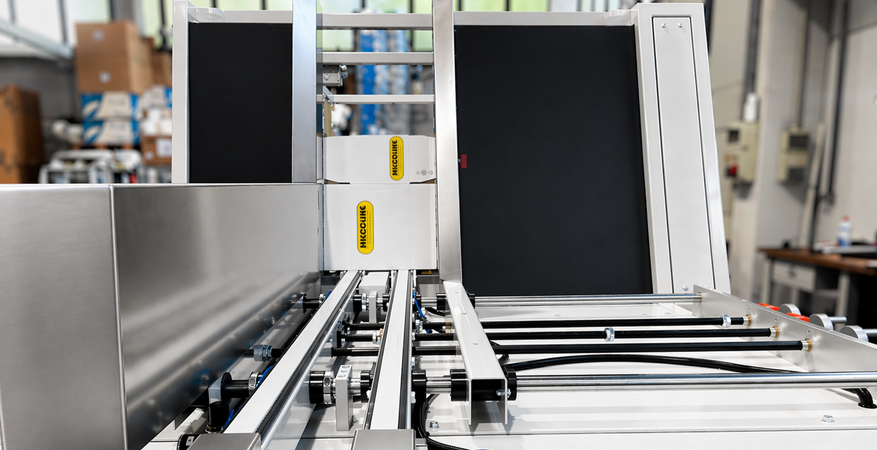
EVO6 - Microline’s new case packer to make its debut at INDEX
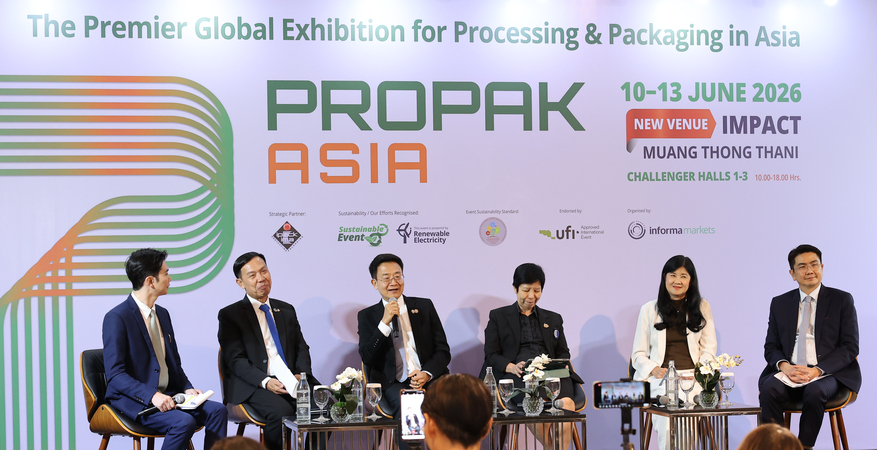
Informa Markets Thailand Elevating ProPak Asia 2026 into a Regional Business and Innovation Platform with 80,000+ Expected Visitors and Over 5.5 Billion Baht in Projected Trade Value

  • Tips for processing machinery FOR FRENCH FRIES

    Ensuring efficiency in the management, the filtration and selection of oil has become one of the main priorities for potato fries manufacturers looking to create products with a good flavor, desirable color and texture, and with nutritional and attractive appeal. -Arnaud Jansse * Food Technologist at Florigo (of Ina). Oil is one of the fundamental ingredients in any production line of potato fries. As a heat transfer agent during the frying process, it gives the potatoes a unique flavor and texture. However, as the concern for well-being increases, consumers are increasingly aware of the importance of health and are increasingly informed about what is in the food they eat and how it is made. As a result, many potato fries manufacturers are analyzing their processing methods to ensure that their products meet consumer preferences. In turn, others are looking for new ingredients, such as different types of cooking oils, with the idea of diversifying their range of products and meet the demands of consumers who wish healthier alternatives. Using a management, the right filtration and sanitation practices as well as choosing a frying oil of high quality can help manufacturers to make the potato fries which consumers want. -Understanding the degradation of oil- The quality of oil is intrinsic to the elaboration of healthy snacks of high quality. However, when frying potato products, cooking oil can degrade rapidly due to several factors: the type of oil, the temperature and the method of preparation. This not only reduces the quality of the oil, but also interrupts the efficiency of cooking can make it difficult to clean the fryer and compromises the quality of the product. Frying with degraded oil can trigger serious side effects to health due to high levels of fatty acids, oxidized lipids and acrylamide in the product. In most frying operations, the oil acid will increase to an unacceptable level if the total volume of oil in the system cannot be rotated within a certain time. The rotation occurs when the products capture oil passing through the fryer. According to the physical characteristics, most of the products absorb oil in the first stages of frying, which reduces the optimum levels of oil. Slices and potatoes, for example, can absorb between 24% and 40% of the oil. This is why new oil is needed to bring the new ones to 100% and thus ensure that the product is made with the freshest possible oil for optimum quality. The rotation of oil is directly affected by its quality, since some oils are less resistant to heat than others. Sunflower oil, for example, is much less resistant in the heating stage than coconut oil. An oil that is more resistant to heat will have a greater rotation than that which is less stable. For this reason, selecting the right type of oil has become a matter of utmost importance to potato fries manufacturers who seek to maintain the integrity of the oil for longer. At the same time, the accumulation of residues can also accelerate the degradation of cooking oil. This happens when small pieces of potato break off in the slices and burn and char in the fryer. As a result, the quality of the oil decreases, which can cause undesirable flavors, an uneven color and appearance. -Choosing the right oil and process- More and more manufacturers are looking for new ingredients as a possible solution to improve the quality and healthiness of their products, and this includes the type of cooking oil. From canola oil, sunflower and olive oil to coconut oil and corn oil, there is a great variety of options. While some oils are associated with health benefits, such as olive oil due to high levels of mono-unsaturated fatty acids, others, such as coconut oil, have different flavor profiles. As a result, the selection of oil is key when it comes to satisfying the constantly evolving demands of consumers. Well-designed frying systems must address a number of needs, such as maintaining the integrity of oil. The most innovative frying technology incorporates continuous oil filtration systems, which help remove the particulate material left by the products when cooked. Normally, the oil passes through a filtering system to remove both large and thin particles. If these particles remain in the oil, they generate, in a continuous manner, polymers and other polar compounds that produce a bad taste in the product and also degrade the frying oil, which affects not only the organoleptic properties, but also the crunchy texture. The more effective and prompt the removal of particles, the better the quality of oil. The filtered oil is mixed with fresh oil and then pumped back to the machine to achieve optimum oil levels. Repeated oil refilling helps mitigate the generation of free fatty acids as well as other polar compounds and help to ensure that potatoes are fried in the freshest oil and with the best possible quality. -Precise temperatura control- Heating or frying the oil considerably increases its tendency to spoil. Consequently, it is one of the most important factors to guarantee the storage time. The higher the temperature, the faster the cooking oil will deteriorate. This is why it should never be heated above 205°C to prevent it from spoiling. In addition, frying at excessively high temperatures will cause the food to turn dark or charred on the outside before it is cooked properly inside. On the contrary, frying at too low temperatures will cause fatty foods that absorb too much fat. An accurate temperature control is essential to guarantee the optimum quality of the product. This can be achieved using a thermostat or thermometer. Manufacturers must check this equipment frequently to obtain accuracy and need to regulate the oil temperature in the most thorough way possible. In line with the shift towards automation and labor-saving equipment, more manufacturers are implementing automatic control systems to regulate it, without the need of human intervention. For example, if the temperature of the fryer decreases too much, the system normalizes it automatically to ensure that the oil returns to the optimum temperature as quickly as possible. Reaching the correct balance in terms of temperature, ultimately, helps producers with the development of a more stable end product, and in turn it reduces the waste of products that do not meet the required level. -Achieving the highest hygiene standards- There is an increasing pressure for potato fries manufacturers to prevent food contamination, as contaminated raw materials and cross-contamination during the processing are common sources of food-borne illness. The hygienic design of machinery and equipment is the basis of safe food processing that ensures that all parts that come in contact with food are free from accumulation, especially oil and grease. If accumulation is allowed, there is a greater possibility that the waste and dirt of the food adhere to the surfaces and mechanical joints, which compromises the integrity of the oil. This in turn contributes to the development of bacteria and other microbes. Therefore, the cleaning and frequent maintenance of the system is vital to guarantee hygienic standards and the highest safety standards. Good frying systems are designed in such a way that the water or cleaning fluids drain outwards, following the same path as the oil, leaving no areas intact. The removal of water from the fryer is essential for the integrity of the oil as well as for the safety of the user. By specifying easy clean-up systems from leading suppliers, food processors can significantly reduce the risk of bacterial growth with cross-contamination as well as maintain high levels of quality. In addition, a design with smooth surfaces, with no blind spots or areas with corners, where residual oil can accumulate and thus which helps manufacturers comply with food standards that are increasingly stringent, is desirable.

  • ALTERNATIVE USES of packaging after fulfilling their function

    Nowadays, packaging has become an industry in constant growth, with changes, challenges, and above all with those many detractors for the amount of garbage that we generate when consuming our favorite products. What is the consumer's role in reversing pollution? - Gonzalo Hernández Full-time Academician of Industrial Design at the Universidad Iberoamericana Puebla. / [email protected] [email protected] Remember when our grandmothers told us "... please, do not throw away the coffee glass bottle, because I have to wash it to store the herbs for cooking ..." or when our parents told us "... please, use the plastic container for detergent to have that drink... "? Well, packaging has had a leading presence in our lives many for more times than we remember, and this for many years in our family life. However, the thousands of tons of garbage that are daily accumulating in the cities are consisting of empty containers. The question we should ask is, who has to do something to reverse this current condition of contamination a little? The answer is easy: everyone, yes ..., each one of us has to do something. I explain myself better; as consumers we care a lot about the product that we are going to consume, which is fresh, not opened, within the expiration period and that, if suddenly I do not consume all the content, I can keep it for later. However, after satisfying the need to consume the product, the next immediate action is to find a place to throw away the container or wrapping. But how can we improve this behavior if many consumer products do not invite to be reused in packaging? I cannot imagine an office employee arriving with a washed PET container of cola or of mineral water inside or a metallic package of cookies sealed with adhesive tape to keep them. That's where we should call for awareness and creativity. While it is true that many packaging products are not designed to be reused, but only to bring the product in perfect condition at the time of consumption, we must learn to be more selective with the products we buy. That is, today's competition is so voracious on the market, it actually should demand more from consumers: knowing which brand offers more to the consumer for what they pay, a better product quality and, of course, the facilities of disposal, reuse, recycling or of degradation of the packaging. Currently, it is used as a commercial and marketing factor, namely the indication of early degradation of packaging (think of French fries) or the way in which fast-food chains deliver hamburgers in disposable cardboard that are easily recyclable. However, we also need to look for better presentations of products, because buying bottles of water of half a liter constantly does not help the environment anything. That is the conscious part, but the creative part must be in the way how we can teach our children to reuse the packaging und containers. For example, the cardboard boxes with which the youngest children always play can be reused to keep and maintain order in the closet, or the glass containers can appropriately be used for plants or ornamental elements in the house. Of course, the traditional mayonnaise packaging does not appeal to everyone, but now there are many brands of products with packaging that can be reused. The other important factor in this process is the industry, since it is responsible of designing and launching consumer products on the market––from a toilet paper to the most complex packaging system for a state-of-the-art computer. The brands should put their finger on the design of new presentations, which invite consumers to buy their products for the benefit of a second use of primary or secondary packaging, and thus to have the opportunity for the brand to remain for longer in the consumer's environment. Just imagine a cereal packaging with a less conventional shape than a prismatic shape (all brands use it for the benefit of accommodation on the transport floor), which generates the desire in a child to keep it to store, for example, his or her pieces of plastic blocks, with an illustration inviting them to imitate them with these pieces and store them in there instead of in a plastic container bought in the supermarket. In addition, the aim is also to have the brand of cereal and the main character of using the product, and with this to subtly stay in the consumer's mind. In short, these are ideas of how we could encourage the reuse of the packaging and use the packaging again after our traditional consumption. Undoubtedly, this is a subject of much reflection and a process of conversion of consumption habits, and not only for the sake of selling in order to sell, which today seems the most important premise without reviewing the variables that involve an act of such importance and responsibility as launching a product on the market, which satisfies the consumer, and whereby the packaging begins its journey to the landfill in less than 30 minutes.  

  • Filling technology for Food Processing of FOOD AND BEVERAGE

    Being able today to offer what the market will need tomorrow in an efficient and profitable way and with a unique variety represents the challenge of food. Technology plays a fundamental role for the success of the industry. - Claudia López * Marketing Coordinator at SIG Combibloc México / [email protected] The food industry is constantly changing. Food manufacturers want to flexibly respond to changes on the market, to changes in consumer demand and be prepared for these movements. As a result, this results in filling the companies’ and co-packers’ need to have the right technical equipment that allows them to supply what their customers want today, and at the same time be prepared for what they want tomorrow. In addition, in order to survive in the long term in an intensely competitive environment, they need to find an answer to the constant pressure on the margins. Today, there are options for the filling of foods based on standard technology, which require only minor technical adjustments before the delivery of the machine to allow manufacturers enriching their offer with a full range of food products. With this technology, the amount of ingredients of products with bits can be up to 10%; the size of the particles can be up to 6 mm, and the fibers 1x15 mm in size; the viscosity can potentially be up to 3,500 mPas. This translates into the possibility of quickly filling an unparalleled range of food products without the need of a significant additional investment. The flexibility of technology is also the key to products that allow higher margins. -Advantages of filling technology- Currently, the issue of margins worries the food sector with greater acuity. Particularly for this reason, the filling technology must offer options for any food manufacturer that wants to expand the existing product range by adding more profitable products, without investing in a high-tech solution to fill food products, such as prepared meals or soups and sauces with chunks; the above regardless of whether it is a beverage manufacturer who wants to enter the food business or a consolidated manufacturer who projects an investment to add other products to its portfolio. Over the years, filling and packaging options have increased "bit by bit," in the most literal sense of the term. Nowadays, there are ultramodern machines for food filling that can aseptically fill products which contain particles up to 25 mm in size and individual fibers up to 40 mm in length. The products can have a particulate content of up to 50%. But not all manufacturers that play an active role in the food business or seeking to enter it take full advantage of the possibilities offered by the technology that is designed for the crème de la crème of liquid food products. With the options now available, a manufacturer who originally specialized in the production and filling of juices and juice-based products now has the possibility to pack more than its usual portfolio of products in long-life cartons. Also, it has the technical capacity to expand its range of products, using the same filling machine, adding products from the food segment, and thus achieving higher margins. And it is not just viscous and pasty products like fried tomato (tomato sauce with oil) that can be easily filled using the new system; other viable possibilities are tomato purees and creamy pasta sauces that contain herbs or pieces of onion and vegetables. -Entering the food business- Overall, this diversity is unparalleled. And it can be transferred to other product segments such as soups, which can also be filled in Food Option1 machines. Same as packaging products, such as beverages and broths in a single machine, more complex products can be filled in carton packs and, therefore, so can those products with higher margins, such as veloutés or mouliné soups. In the dairy products sector, food manufacturers can enter new market segments. In addition to milk and dairy-based beverages, the use of the Food Option1 aseptic filling machines makes it possible to fill more viscous products, such as dessert sauces, custards, pudding and even desserts ready to be enjoyed as rice pudding. Food manufacturers who are already using the aseptic system for the juice or dairy segment and wish to expand their portfolio by adding innovative products, which are completely out of the ordinary, or who are looking to enter the food business will be perfectly positioned with the technology, which also allows them to fill soups, sauces, and desserts containing particles and fibers, or very viscous products. 1 Refer to the Food Option machines, which are based on the standard filling technology of SIG Combibloc.

  • AFEX 2019-A one-of-a-kind platform for food processing and packaging business

    For twenty eight years now, ASIAFOOD EXPO (AFEX) has always served food and beverage entrepreneurs. its utmost goal... to uplift the Philippine food and beverage industry and its foreign counterparts by showcasing the latest food processing. packaging and handing machinery equipment and machineries available in the market; each edition of AFEX offers the latest innovations and solutions for the industry. To date, AFEX showcases food equipment and machineries that carry competitive features which give value added facilities to the industry, fabricated by Filipino and foreign suppliers from Asia and around the globe; this is a promise of continuous progress in the market in terms of development, technology and product innovation. It is with this vision that the food processing and packaging industry continue to look far beyond the future in terms of product innovdtions and technology transfer offering its best to elevate production quality for the food and beverage industry! For more information (632) 354 57S8 to 60 [email protected] www.afei.com ph

  • NEUROSCIENCE as a design tool

    At the time of designing a pack, the tendency to attend to scientific innovations grows to provide innovative ideas about colors and shapes. -Néstor Braidot * Doctor of Sciences, Master of Neurobiology of Behavior and in Cognitive Neuroscience. [email protected] Among many others, the fundamental contribution of the neurosciences applied to marketing and advertising is to focus both marketing research and the application of marketing and advertising strategies to the true decisional center of the human being: his meta-consciousness, which is where human decisions are generated and from where their behavior and preferences arise. Using the strategies proposed by the latest developments in the field of science when designing packaging allows us to maximize the communication potential that it has. Thus, thanks to tools such as sensory neuro-marketing, we can understand how the perception of forms and images works and how they impact in a broad way on people who, based on that impact, elaborate their own conception. All packaging must impact, stand out among their peers and convey to the customer what the product is and why it should be chosen. Now, how to do this? Imagine that we are observing a customer in a supermarket. We know that, while you are going through it, you are looking for a packaged cheese. You only have an idea of what you want, but you do not know the brand and neither the prices. Also, we know that your time is scarce and possibly the variable price that precipitates your decision. When you stop at the shelf, you take a glance to quickly examine a huge variety of options in terms of brands, flavors, types, texture and sizes. Where will you stop? Except that your view only records the price, you will most likely see the product that has a pack with a design attractive enough to capture your attention. However, there may be several with similar characteristics, in fact, companies compete side by side to optimize the management of their "silent sellers." The brain perceives globally and integrates the sensory and perceptual information it receives as a function of the context. If we only look, we activate a reduced number of neural connections within the visual context. If, in addition, we touch the packaging, we activate a much larger number of direct and indirect connections between tactile and visual areas. Therefore, both the graphic design of the packaging and its shape must convey immediate sensory benefits that evoke the central attributes of the product, such as taste, texture and nutritional capacity in the example we have been developing. As we see, the packaging design goes far beyond the functionality associated with the containment of the product. The packaging must always be designed in the multisensory uptake of humans because the associative connections between senses also help the memory that plays a central role in the decisions of the customer. -Colors and labels- As members of the packaging, the labels must contain all the necessary attributes to make them attractive, starting with the colors and continuing with the ability of the message to transmit a clear concept in a synthetic form. One of the theories that explains how the brain decodes color in the visual cortex is called the trichromatic theory of color vision and forms the basis of many studies that have been conducted on the subject. The senses are integrated and the perception of the color of an object influences the characteristics of the other senses. In turn, color conditions our memory on that object in a particular way. This phenomenon of multisensory perception suggests some interesting issues regarding the strategies to be used in terms of colors, not only for the product to stand out, but also so that it can be associated with the image that you want to communicate through the packaging and the label. The applications to the marketing activity of the knowledge about the perception of colors and the way in which our senses are interacting are endless. Not only the colors, but also the contrast that we are able to achieve among them constitute a primary stimulus to attract the customer's gaze towards the product that the organization is marketing. From this it follows that when designing the packaging and the label it will be very useful to carry out a study using neuro-marketing techniques. As every product is what each customer perceives to be, knowing the areas that are activated in his or her brain when he or she is in contact with these two central parts that make up his or her identity system, it will always help us to be more effective in the development of the marketing strategies. Undoubtedly, the images of a product in the minds of customers are the raw material on which we must begin to work.

  • PACKAGING ADAPTABILITY for senior generations

    Given the growth of opportunities in the food and beverage segment in Latin America, the study "Consumption Generations" was presented, where important specifications are glimpsed in the packaging destined for the elderly. – René Anguiano (*) Director of Corporate Communications at Tetra Pak, Mexico. According to the study "Consumption Generations" (1), there are currently 10 million adults at the age of over 60 years old, and the world population in this range can reach 10 billion by 2020. By way of the analysis by this group, the important trends, which food and beverage companies can study in order to guarantee their processes, products and packaging, were discussed. An improvement is important in terms of processes and packaging in order to meet the needs of the elderly, since they are a fast-growing population group in Mexico. According to the Population and Housing Census 2010, there are 10.1 million older adults (9% of the total population) who are 60 years old or older in our country. As people get older and children leave home, family relationships take on a greater importance. 97% of the elderly persons point to the "family" as being key factor for a happy life. According to a study carried out by Mintel, they discovered that more than half of senior citizens only buy at their favorite stores, since they know what they can receive. This is the reason why at this stage of life the varied and adequate food is of utmost importance in order to prevent common diseases and to reduce the physical and mental decline, which begins to manifest in this population group, and this apart from the fact that the packaging must be completely convenient for opening, closing and storing food. We are not talking only about juices or milk, there are packages that this sector is interested in acquiring, and we need to be its allies in terms of quality and conservation. The data show that half of those over 65 experience difficulties when opening products, and as they get older, their senses diminish, such as for example vision. Therefore, the packaging must be easy to handle, to open, to read, in addition to indicating the quality of the product and clearly and concisely showing its content. This also fits in with the lifestyle that the "senior" generation is looking for. -The five "ingredients" that make up an ideal packaging for elderly consumers - 1. The packaging has to be easy to open, for the case that there is the problem of not having enough strength in the wrist. The covers should be at a suitable height to avoid slipping from the hands of an older person. 2. The packaging must be lightweight for a better grip. Rounded transverse cuts are also easier for a tighter grip than straight cross cuts. The packaging material has to be firm for a better support and to avoid spillages. 3. The packaging must provide a longer shelf life in order to necessitate fewer trips to the supermarket. 4. The printing must be bigger, the images more striking, and the labels clearer. That means bigger words and brighter colors. 5. The nutritional information and the expiration date of the product should be clearly visible. According to the survey "Consumption among senior citizens: between wisdom and prudence" prepared by PROFECO, this economically active population spends approximately 3,232 pesos per month on food and beverages. Although the majority of them acquire their pension or savings income, they are an active generation in terms of purchases. THE PACKAGING MUST BE easy to manipulate, to open, to read, in addition to indicating the quality of the product and to clearly and concisely showing its content Of their monthly expense, around 245 thousand pesos are destined to the consumption of milk and its products, while 162 thousand pesos are used on non-alcoholic beverages, such as soft drinks, juice and water. The senior citizens are a demanding group of population, as they review quality and nutritional information. Moreover, according to this study, 82% take into account the characteristics displayed in advertisements. Furthermore, they are the generation who avoids fast food for the most part. Therefore, there is a need for products, which are more focussed on a natural and healthy lifestyle. For example:  Vegetables are at the center of a healthy lifestyle, such as tomato or vegetable juices. These are the products, which meet the requirements of a healthy and pleasant diet, and which point to senior citizens.  Fortified milk for senior citizens. There are currently varieties of milk for all generations. The one destined for seniors are those added with vitamin D for bone health, for example. The importance of the quality chain focusing on satisfying the needs of the final customer is that “this ‘senior’ generation, who has more income available than previous generations, is about to become one of the most important consumer groups during the next decade, and represents a big growth for 2020. This creates a huge opportunity for food and packaging manufacturers to respond to their needs." The challenge for the food and beverage packaging industry is to develop products and services, which will better meet their needs, while maintaining the relevance of the products for the other age groups. (1) Consumer study to highlight the opportunities in the food and beverage market for the senior citizens, a group of consumers, who is the fastest growing in the world.

  • ProPak Myanmar 2019 – Driving Industry Development & Expanding Business Growth in Myanmar

    ProPak Myanmar 2019 will return for its 6th edition taking place from 12th to 14th September at its new bigger venue, Myanmar Expo (ME), Yangon. ProPak Myanmar reaffirming its reputation as the largest, leading and most international industry trade event for Myanmar’s developing Food, Drink & Pharmaceutical Processing & Packaging Industries. ProPak Myanmar is the event for international manufacturers and suppliers of machinery, technology and materials in the sectors of packaging, filling, processing, quality assurance, test and measurement and their related fields of automation, transportation, storage, refrigeration, ingredients, labeling and pollution control. Incorporating: DrinkTechMyanmar 2019 returns giving a strong focus towards the development of Myanmar’s exciting and rapidly expanding alcoholic, soft drinks and dairy beverage markets, which promises to be one the world’s fastest growing new beverage markets. Join DrinkTechMyanmar 2019 to be part of the action. Ingredients Myanmar 2019 will connect ingredient manufacturers and suppliers to one of Asia’s most promising new markets. Myanmar’s food and drink manufacturing industry is underdeveloped and presents many genuine business opportunities as it expands and modernises to meet growing domestic and export demands. Join Ingredients Myanmar 2019 and connect to new business opportunities. Packaging is the largest industrial user of plastics, innovations, solutions and materials. PlasPakMyanmar 2019 will showcase the plastic packaging industry and connect Myanmar buyers to international suppliers. Join PlasPakMyanmar 2019 to access a new packaging supply chain in one of the world’s most promising new packaging markets. ProPak Myanmar 2019 is the No. 1 and largest industry event of its kind in Myanmar. It's Myanmar's best platform to connect to the country's rapidly expanding processing and packaging industries. Going from strength to strength every year, ProPak Myanmar has a proven track record of delivering the highest quality and quantity trade buyers, the greatest number and selection of international suppliers, and the best showcase of latest technology and innovations. ProPak Myanmar 2019 Date: 12th to 14th September 2019 Opening Hours: 9am – 5pm Venue: Myanmar Expo (ME), Yangon Website: www.propakmyanmar.com Facebook: www.facebook.com/propakmyanmar

  • PROPAK ASIA 2019 LOOKS TO FUTURE THROUGH NEW TECHNOLOGY AND INNOVATION

    Advanced solutions and global industry networks provide processing and packaging industries with the ability to achieve a sustainable future in the digital era BANGKOK, June 12-15 – ProPak Asia 2019 once again achieved its goal of providing an annual platform for supporting the processing and packaging industries in enhancing their competitiveness and preparing for future challenges. ProPak Asia connects global industry professionals and businesses of all sizes, including startups, small enterprises and multinational corporations, who meet to discover the latest technologies and innovations from around the world. About 52,256 visitors from 87 countries solidified ProPak as the leading regional destination for anyone in the processing and packaging industries. Over 20,000 machines from more than 1,800 exhibitors from over 50 countries offered solutions for improving operations and increasing profits across nine halls and nine industry-specific zones, including ProcessingTechAsia; PackagingTechAsia; DrinkTechAsia; PharmaTechAsia; Lab&TestAsia; MaterialsAsia; Coding,Marking&LabellingAsia; Coldchain,Logistics&WarehousingAsia; and PrintechAsia. Industry-specific seminars and activities also provided visitors with essential knowledge and skills. The Global Packaging Forum launched for the first time at ProPak Asia 2019 with a focus on sustainability and initiatives from various countries and industry leaders. Visitors also explored new trends for technology and innovation developed to help overcome challenges and prepare for rapid change in this digital era. Manufacturers now prefer to use automation or collaborative robots to increase speed and productivity while lowering investment costs and avoiding problems associated with rising labor costs and lack of manpower. In response to the personalization trend in Asia, small batch sizes, optimum systems and multifunctionality are being adopted into various machines. Shorter life-cycle products and rapidly changing demands are also main factors in determining the need for flexibility, agility and customization through automation. Digitalization and AI solutions were also visible trends as they are playing a more important role in operations for simple tasks that replace labor and support communication among operators and machines seamlessly to ensure smooth workflow. To address growing environmental issues, many companies provided sustainable or greener solutions for manufacturers including features for footprint and waste reduction, energy saving and reduced material consumption. “ProPak Asia is always dedicated to industry growth, especially in Thailand where the market is advanced and experience healthy growth. The event supports Thailand’s goal of becoming the ‘Kitchen of the World,’ as well as a pathway toward Thailand 4.0. Furthermore, it also serves the goals of other countries in this region, such as Vietnam, Malaysia, Myanmar and Cambodia, which have strength in agriculture and resources. We now focus more on SMEs through various content, such as exhibitor highlights, seminar programmes and onsite SME counters to connect exhibitors to new SME businesses. We want ProPak Asia to truly be a place for all people involved in the industry,” said Mr. Justin Pau, General Manager of informa UBM. He confidently added that, “With our strong team, ProPak Asia is always improving and growing every year. After joining together with Informa Markets, we are now the world’s largest international trade exhibition organizer, which means new technology and more data, resources, experience and contacts, which we will apply and leverage for improved future events. I believe that next year’s ProPak Asia will be even more exciting for both exhibitors and visitors.” ProPak Asia 2020 will return with better solutions through the continued gathering and developing of new and more relevant databases, along with investing in marketing to connect quality trade buyers and leading exhibitors. The event will be held from 17-20 June, 2020 at BITEC, Bangkok. For more information, please visit www.propakasia.com

  • DEVELOPMENT of cardboard packaging

    One of the biggest concerns of the consumer is to be––as much as possible––careful with the environment, so they look for new alternatives for recycling the products they buy. The coardboard pack meets that characteristic. - Tetra Pak Mexico * @tetrapakmx Currently, the sector works much closer with the consumer, listening and promoting exchange of information to improve quality and maintain innovation. The cardboard usually served both as food packaging and as a container for deliveries, boxes and other related products. It was at the end of the 1930s when Ruben Rausing thought about possible alternatives to pack and protect the nutrients of the food without using any laminated cardboard to make the products accessible, available and easy to store. The premise dictated that this new packaging had to be competitive enough so as to be able to participate in the sale of milk which was sold in returnable bottles at that time. After the investigations on hygiene conditions, materials or production, the first pilot of the container was to form a paper tube, fill it and close it continuously. Today, this technique is known in the packaging jargon as form-fill-seal (FFS). The geometric shape of the "tetrahedron" is attributable to Erick Wallenberg, who starts the development looking for a cylindrical shape, but the filling process forces him to evaluate other geometric shapes, concluding the tetrahedron shape, which is formed with four sides in a triangular shape. Rausing's second intention was to keep food fresh and safe for a longer time. Therefore, he undertook the generation of containers with a plastic coating, which was sealed below the liquid level. By 1952, when the first machine for cardboard packaging in the tetrahedron shape was delivered, the consumer saw in this presentation an innovative solution that guaranteed the freshness in their food. In 1963 and after the demand for a container with greater capacity, a container was launched [1] which alluded to a block for its rectangular shape with a one-liter capacity, and appeared at the right moment in which the consumer met to lunch and dinner accompanied by their favorite drink in said presented packaging. -Development of the aseptic packaging- Since then, the consumer trends have been adapting to the stability and accessibility for people in different parts of the world. With the arrival of the 1960s, and (I Can not Get No) Satisfaction of the Rolling Stones playing on the radio, we evolved towards aseptic containers, which were alternating the layers of cardboard and polyethylene and a thin aluminum foil so as to isolate food from the outside, and thus opening the food availability landscape. This invention, namely the aseptic technology, marked a milestone in the food and beverage industry and was recognized in 1989 by the Institute of Food Technologists as "the most important advance in food science of the 20th century." One of the biggest requests of the consumers is to try to be––as much as possible––careful with the environment, and for that reason they look for alternatives of recycling in the products that they acquire. Since the early 1970's there were more options available for consumers on shelves, including image and recyclability. The cardboard packaging in shape and practicality began a wave of new social movements that included women in jobs not previously explored, encouraging companies to provide beverages and food in a lighter packaging, which was easy to open, and so that they were available to consume and keep on the go. Cardboard is one of the most used materials for containers and packaging since its characteristics place it above non-biodegradable materials or those whose recycling is more complex. Including the polyethylene and cardboard formula, the containers appeared with a lid [2] that facilitated the handling of the liquids and material to keep the intact flavor and texture. At the end of the 1990s, the industry witnessed the modification of the containers to triangular or rectangular shapes that conform to the facial geometry and provide a better grip, in addition, they allow the flow control in beverages. Moreover, the modernity was followed by new challenges for packaging companies: the children's segment. The concept practicality aimed at children is very different and focuses more on the offer of proportions, which allows parents to choose the ideal option. Undoubtedly, the packaging seduces the consumer from an emotional point of view, through finishing techniques of quality and innovation that change over the years and remain at the forefront of the food industry. -Optimal packaging for food preservation- The packaging of food benefited in 2003 when a container appeared on the market whose main objective was to occupy less space in the cupboard [3] compared to cans. Because of its shape, this container occupies between 30% and 40% less space than cans and glass jars. This solution has a lot to explore, since weighing 64% less than a can generates great benefits not only for consumers, but also for food brands. In addition to the innovation and development of cardboard packaging, there have been important changes in dosing systems and in the subject of caps, which now vary in size and shape to suit new consumers and meet the needs of functionality and mobility. For example, the portions have been adapted both to a child (from 125 ml) and to young adults (500 ml) and even for sitting at the table with a family (1 l). All the containers meet the needs of the consumer. Unlike 1930, when the cardboard packaging began to have an impact on the form of consumption, 2017 is a year of nuances, of importance in the proportions, of personalization, availability and consumption outside the home (on the go), which companies must respond to when offering their food. Undoubtedly, a long way of future changes and changes in the way of consumption awaits us, but it is about offering consumers a new way to feel safe and listened to when enjoying their food, regardless of the decade they are living in. (1) Refer to the Tetra Brik packaging. (2) Refer to the Tetra Top packaging. (3) Refer to the Tetra Recart packaging.

  • ECO-DESIGN and social trends––what should be considered?

    The eco-design must be the result of an in-depth analysis of all elements which holistically participate in the design process and must show its shape and physical characteristics in any angle of the product which is required. - Patricia Olivares and Jorge Jacobo * Member of the Academic Body of the laboratory: Containers and Sustainability at the Universidad Autonóma Metropolitana of Azcapotzalco. [email protected] ** Head of the Academic Body of the laboratory: Containers and Sustainability at the Universidad Autonóma Metropolitana of Azcapotzalco. [email protected] What should be considered? One of the most important aspects related to the eco-design process is the conceptualization of ideas. It is usually a good practice to conceptualize a product before developing it so as to locate the areas of opportunity where there are the most possibilities to reduce the impact on the environment. This technique of photorealism allows us to qualitatively evaluate (including market studies) the physical appearance that the final product will have on the market, and thus to foresee the impacts it will have on the environment. Visualizing the life cycle of the product simulating the total restitution of the raw materials from its original extraction until the total return of these to the original extraction medium allows the designer to determine the stages of the design where the participation is fundamental to as to avoid damaging the environment. The use of recyclable or biodegradable materials can be the key to the total restitution of the medium to the environment. When the product means a contribution to the solution of man's needs, this in turn must offer valuable information regarding the expected time of functionality and obsolescence. In the same way that when the product is about to finish the stage of maturity on the market, it must be submitted to the studies on improvement, innovation, recycling and reuse. The results of the study should be the starting point of the design process to be effective and efficient in terms of care for the environment, and at the same time to progressively improve over time, and also to offer the consumer eco-design proposals, which are increasingly friendlier to the environment. Eco-design, technology and environment Technologies for eco-design related to the production, storage, transport, transmission and conversion of energy, both fossil and renewable sources, as well as those referring to energy savings. Examples of effective interaction between eco-design, technology and the environment are: 1.- Electric vehicles. 2.- Intelligent networks. 3.- Eolic energy. 4.- Solar energy. The use of technologies that promote energy saving is fundamental during the design process, since it is capable of contributing to the result, which must result in an innovation. Finding an added value in the implementation of the eco-design process based on the design of the care for the environment will undoubtedly be a task that we all must carry out in each of our interventions. The steps to follow during the process should be alerted in each of the stages from the identification of the need to the construction of the final proposal. Method for the proper development of a product:  Establishing clearly and unambiguously what we expect from the product.  In conjunction with the supplier, fixing the expected quality levels.  Establishing clearly with the provider what we want to receive.  Carrying out all the necessary tests.  Considering the delivery times.  Making sure that the samples are functional upon their receipt.  Moreover, all test results can be requested in the form of histograms so as to know the deviations from the predetermined quality specifications.  Upon receiving the final product, carrying out a new industrial test to ensure its smooth operation on the line.  Asking for the provider's assistance during the tests.  Asking the supplier’s recommendations for product improvement both in terms of functionality and weight issues.  Much can be accomplished sometimes with minimal modifications in the design. We must emphasize that the trend in eco-design is based on the creative process that involves the development of multiple alternatives so as to solve specific problems derived from the needs of people and of which we know that these are resolved today in one way or another. These must be questioned by the designer and analyzed from the perspective of eco-design in such a way that they are able to offer options which are winning in terms of sustainability, after having carried out the corresponding laboratory tests and analyzes.  In the process of product design that leads to a conceptualization of sustainability and social awareness.  Two issues of fundamental importance during the processes of ecodesign in the global economy and globalization.  In patterns and lifestyles focused on issues being as relevant as the separation of garbage, reuse and recycling processes at specialized sites for this purpose.  In the form of product sale, in the systems of exhibition and sale, during the processes of commercialization and consumption.  In the storage and transport processes.  In the shelf life of the product, shelf life and conservation time after purchase.  In the environment: the necessary care so that the quality of the air we breathe is adequate. The sites for garbage accumulation: containers for proper separation as well as efficient collection systems.  Regarding the availability of natural resources, this issue will be essential that there is a regulatory instrument which orders the use of natural resources, which distributes them properly and which accounts for their use and recovery, such as a programmed reforestation.  Finally, with regard to technologies to reduce environmental impacts, the involvement of universities is fundamental and necessary for the development of sustainable technologies in all areas of design in the same way as in the construction of objects of popular consumption that constitute a problem of garbage accumulation.

  • PACKAGING and the differentiation on the shelf

    It is obvious that today's consumers lead an accelerated lifestyle, demand more and more healthy products, products of quality and at a good price, and which, of course, are friendly to the environment. The question is: how much time does a vendor have in the supermarket to be able to offer the consumer all the benefits and characteristics of a product? The answer is: "there is no time". -Sonia Ibarreche * Marketing Manager of the Mexican Association of Packaging (AMEE) – [email protected] The new generations do not have the time to try something, and their lifestyles do not adapt with the products they find on the market. For the container and packaging industry, this has been a great challenge. And as a result of changes in consumer habits, packaging is being developed that captures the attention of the consumer in just a few moments (3 seconds). Currently, many of the packages have been developed for individual portions, and this is a trend that has been maintained and moves the market, since consumers are looking for something they can take and leave the store quickly. It is a situation that has increased the demand for packaging to control the portions, which are consumed. But this is just a solution of the world of possibilities that can be worked on with packaging. If manufacturers want to win and survive the battle on the shelves, they must understand the consumer and develop innovative packaging. Companies have to move quickly to ensure that their products not only occupy the best location on the shelves in supermarkets but are there before the competition is ahead. The battle to achieve the best place is not only waged in the aisles in a supermarket, but in the house of consumers as well, that is, where the end user is, because he is the one who will use it, he will try and in the best of cases he will identify with it. That is why the container or packaging has been called the silent vendor, since it is the one that has to steal the attention of the consumer, captivate it with its image, design and ergonomics. Convince the consumer through its label, its features and benefits and better yet make an experience of unrivaled use that allows its repeated purchase. In the search that a container has a differentiation from the competition on the shelf, so it will win the battle. It is recommended to take into account the following strategies: -Belonging- Much has been talked about sensory marketing (sight, taste, smell, hearing and touch) and the importance of being able to include a mixture of attributes in the products, which allows it to sensually call the attention of the consumer. The mission of the sensory messages is to create an emotional bond that, when integrated with a container, can generate an incomparable user experience. And it is at this point where a bond of belonging for the consumer is created; the products are looked for, not only because of their characteristics, but also because of the past experience that we remember the users. As long as this has been favorable, we want these things because they help us to feel good, and to belong to a group. It is not just the product, but what it already means of which it reminds us. -Influence-In a society where technology is an integral part of our daily lives, we are constantly being influenced by technology and by those who use it. The use of social networks is indispensable information for the current consumer. Time and space are used, but it has also become a tool for information, comparison and offers. The recommendation is digital power, in the media, where my market is moving, and most importantly, where it generates content of interest, where positive advertising messages are sent, which influence the consumer with respect to their persuasion of the product. Use these means to locate our presentations (physical) and benefits such as recipes, success stories, etc. -Interaction-The product, consumer and the medium must be related to each other, which will always be a strategy that will be maintained. You must understand and know the product perfectly, but you must also know the consumer, if you require what we offer, and finally what are the means, by which we know to know. How many products do not go to the supermarket without telling the consumer that they can find it? Or, on the contrary, the one that announces its launch with a hype and cymbal, and while searching for it, the consumer cannot find it. -Design- We are all attracted by the new. Behind every innovation, there is a design and development effort. The packaging design will always seek to improve the quality and experience of use without neglecting the already identified needs of its consumer. But it is also about formulating unimagined desires. The design is accompanied by surprise, revelation: changing formats and breaking paradigms are strategies that have allowed products to look different (images), with the same characteristics that initially offered to the consumer. The design is not just about the decoration of a container or packaging, the design is the essence that captivates the view and encourages the purchase. To maintain attention, it is constantly necessary to revive it each time. A small change, cap form, typography, color, etc., since they mark the difference and even the tendency. Transmitting and selling through a container is not only creativity: it is to integrate all the elements: images, shapes, senses, technology, etc., but mainly experiences, which allow us to generate a bond of loyalty with the consumer. Times always change, but now more than ever speed is how ideas, trends and products emerge and disappear is greater than ever before. Technology has become a trigger for different attitudes in the consumer and in the way in which it relates, knows and appropriates the products. Going into this world of differentiation means opening our eyes, our ears and our minds to new experiences, new alternatives, just as millions of people are doing to where we want to go.

  • STAND-UP POUCH: the balance between practicality and convenience

    The most sustainable packaging is the one that makes the value chain more efficient with a more holistic approach to the product’s life cycle. A package is not manufactured through thinking of itself, since this would lead to a suboptimization of the complete system. - Claudia Hernández * Scientific Research and Development of Packaging, Packaging & Specialty Plastics, Latin America, the Dow Chemical Company. Linkedin.com/in/claudia-hernandez-20519118 When a package is manufactured, it is necessary to consider that it will protect and transport the food or other goods, namely from the producer or manufacturer to the consumer. New advances in packaging technology have shown that we can take a major step forward and also consider the recovery or recycling of packaging material after its use. -Market opportunities and outlook in Latin America- By 2030, 42% of the total population will belong to the middle class with an increase in the average annual income per household that will be reflected by a larger purchasing power. Each year, approximately 10 million people will leave poverty and become new customers. At the same time, billions of tons of food will be needed to feed more than 1.5 billion people by 2025. All this immediately requires the sophistication of food chains, which are highly regulated, to meet the demands of the market. -Packaging of new consumption- Practicality and convenience are characteristics of the flexible packaging that has attracted more and more sectors of consumption. The option that stands out on supermarket shelves in Latin America is the Stand-Up Pouch (SUP) model, a flexible packaging capable of standing up, which allows greater visibility of the brand on the shelf and generates more consumer attention at the moment of purchase. The Stand-Up Pouch, a safe and sustainable packaging, is used for a variety of food products as well as for other consumer items, for example, household products and personal hygiene. The SUP offers various features, such as the easy open-close system, caps, as well as pouring and directional picks. In addition to facilitating the disposal, the lightness of the material compared to traditional rigid packaging, which optimizes resources in an efficient way upon manufacturing and storage, since less fuel is used during transport of the product to the distribution sites—with more units per vehicle—and since it allows the full use of its content. Plastic packaging demands a level of engineering that is little known. The vast majority of flexible packaging requires multiple layers, each with a unique function. On an individual level, the resins that make up these layers need excellent control of the catalysts and process variables. Recent significant advances led to the development and commercial use of molecular catalysts, which also allow control over the polymer structure by way of altering the physical, optical and barrier properties of the final packaging. By modifying the molecular structure of resins and adapting the way they integrate multilayer structures, scientists have developed SUP, a mono-material (polyethylene) or gas barrier packaging, which is fully recyclable (1) and capable of replacing multi-material and non-recyclable equivalents on the market. -Conventional SUP.-The typical structure of a conventional SUP is a polyester and polyethylene (PET/PE) laminate where polyethylene is typically used to give the properties that polyester does not have. While conventional SUPs are multi-material packaging, they are practically impossible to recycle. These are leading the new packaging trends as a contributor to the protection of the environment. It is possible to already find a SUP (2) on the market, which maintains the performance of multi-material containers and allows the replacement of more complex structures with an adequate solution for today's recycling processes. And all this is possible without compromising its main function of product conservation, and that in some cases it also allows the increase of the shelf-life of perishable foods. This type of SUP can pack almost all products and are divided into two categories: with barrier and without barrier. -Recyclable SUP.- For applications that do not require oxygen barrier, such as frozen foods or dry products. The mono-material SUPs are based only on polyethylene, whether it is a laminate with reverse printing, polyethylene and polyethylene (PE / PE) or a monolamine with direct printing. -SUP for frozen products.-This category of products, which is widely used, is growing in various food segments, such as pre-cooked and frozen vegetables and legumes, fruits or frozen fruit pulps, products based on animal protein (poultry, perches and seafood). The frozen product guarantees availability throughout the year and convenience to the consumer. The key property required for this application is resistance to abuse. -SUP for dry foods.- This category of products is very broad and includes grains, cereals, mixtures for cakes and breads, farinaceous products, salt, sugar, condiments. In this group, SUP packages offer convenience for the consumer (open/close system) and differentiation opportunity for the product (visibility on the shelf). In addition to the resistance to abuse, the requirements for these applications include moisture barrier, keeping the product crispy, preventing water loss (the product does not dry), and preventing water absorption (prevent dust from clumping, for example, salt). -SUP for construction materials.- The construction materials segment, which traditionally uses rigid packaging (cans, buckets, jars) without the need for a barrier, is gradually adopting SUP packaging. Considerably lighter, SUP is a versatile alternative that differentiates the product at the point of sale. Typical applications within this category include paints, additives and grouts. -SUP with recyclable barrier.- Even if polyethylene has excellent moisture barrier properties, it does not have oxygen, aroma and other gas barrier attributes. Certain polymers with gas barrier properties, such as EVOH or polyamide (Nylon), are typically used in packaging, but these structures are not recyclable. The industry has developed a technology of reactive functional polymers of ultra-low viscosity (2), which manages to make compatible polar polymers, such as EVOH or polyamide, by a fine dispersion and incorporate them back into the polyethylene matrix to be recycled or reused. The reactive groups "wrap" the polar components, encapsulating them in micro-domains to achieve an excellent dispersion. Unlike other existing compatibilizers, this new technology not only achieves very good processability, but also an excellent quality film with physical-mechanical and optical properties. This category includes packaging for cleaning and personal hygiene products, that is, which require a barrier to aromas and also refrigerated prepared foods that demand an oxygen barrier. -SUP for liquid products.- The segments for liquid products are being specially driven with the Stand-Up Pouch packaging. Cleaning products (soap for clothes, general cleaning, softener): SUP packaging is presented as an alternative with excellent cost/benefit, since it can be used as a recharge and even as a primary packaging (lower volumes/single dose). SUP packaging for cosmetics keeps intact the properties of creams, shampoos, soaps, perfumes and other hygiene items, from production to consumption. In travel, for example, the practicality of carrying smaller containers or sachet is incomparable, mainly in European countries and in the United States, where the reinforcement in security led to the demand for these models. Another important segment is the beverage area (water, yoghurts, flavored juices and some energy drinks): no matter at work, at home, during sports or even in recreational activities, the SUP is standing out and attracting consumers. The laminated or monolaminated structures (3) present three times more resistance to the perforation compared with the structures of reference of the market (PET/PE). When there is a need for barrier (to oxygen and/or color), the polyethylene structure combined with EVOH still provides a better resistance to puncture. The seal of the SUP is a critical parameter. Sealing at lower temperatures guarantees a better quality seal (tightness). The hot sealing curves show that the resins recommended for application in SUP are differentiated by a higher strength and lower sealing temperature (independent of the composition with PET and/or EVOH). Reference: (1) Recyclable in communities with capacity to recycle polyethylene films. (2) Refer to SUP RecycleReady of Dow. (3) Refer to RETAINTM, Trademark of The Dow Chemical Company (“Dow”, “DowDuPoint”), or an affiliated company of Dow.

  • ProPak China 2019 makes great headway in show scale

    ProPak China 2019, the 25th International Processing & Packaging Exhibition hosted by Sinoexpo Informa Markets, concluded successfully in the National Exhibition and Convention Center (Shanghai) on June 21, 2019. Together with FoodPack China hosted by the China Food and Packaging Machinery Industry Association and the China National Packaging and Food Machinery Cooperation, the joint exhibition made an excellent duo with strong growth in show scale. 890 exhibitors from 22 countries and regions showed their products and services, up 31% from last year. The exhibition space grew to 70,600 square meters, 56% more than the last edition of ProPak China. And there were unprecedentedly 33,713 professional visitors from 120 countries and regions present during three show days, an increase of 34% against 2018. ProPak China 2019 touched every major industries related to processing and packaging applications, including sectors such as food, drinks, dairy, FMCG, cosmetics, health care, pharmaceutical, electronics, and other industrial fields. Advanced products and technologies that are improving productivity, reducing cost and solving production challenges were presented by a galaxy of global powerhouses including: AccuBal, Acepack, AETNA, Anritsu, AZO, Bihai, Bosch Rexroth, Bossar, CAMA, CAVANNA, Chuangzhaobao, Clevertech, Dachuan, Dingye, Festo, Fuji kikai, FURUKAWA, GEA, GERHARD SCHUBERT, Grepack, Guchuan, Gurki, Haikejia, Handtmann, Hoermann, Hongsen, Hualian, Huituo, Ishida, Jardine Matheson, Jiangsu Dajiang, Jinan, Kaiqisi, Kangdi, Kenwei, Kinglai, KOCH, Komatsu, Kunshan Dahe, Langnuo, Maiwei, METTLER TOLEDO, Nanhua, NISSIN, NORD, Oceanpower, Omori, Ouhua, PRECISE, QCPACK, Ramseier Koatings, Rieckermann, Ronchi, Ruijijinhong, Ruizhi, Sanyang Dongyang, Serac, Shanghai Dahe, Shanghai Shikouku, Songben, Songchuanyuanyi, Syntron, Techik, Thermo Fisher, Tianlang, Tianyu Weiye, Toyo Machinery & Metal, Triowin, Urschel, Wenzhou Dajiang, WOLF, Wuhan Rentian, Xiaohui, Xiaojin, Xiaoteng, Xingpack, Yamato, Yilong, Yiqing, Yongchuang, Yongchuang Tongda, Yuanan, Yuedong, Yusheng, Zhejiang Brother, Zhongheng, Zhongya, and more leading companies around the world. These exhibitors displayed cutting-edge processing and packaging technologies and facilities, innovative packaging containers and materials, printing and labeling technologies, industrial automation, and warehouse and logistics solutions. The exhibition in June also captured the attention of professional buyers from all over the world, proved by a great number of end users from food, beverage, dairy, FMCG, pharmaceuticals and daily-use chemical sectors and online businesses gathering in Shanghai. They are: Amway, Bright Dairy, Coca Cola, COFCO, Colgate, Dali, DANONE, Gillette, HERSHEY'S, JD, Johnson & Johnson, Laurel, L'oreal, Meadjohnson, Mengniu, Nestle, NIVEA, P&G, Pepsi, SHISEIDO, Sinopharm, SUNTORY, Tsingtao Brewery, Unilever, Wahaha, Want Want, Watsons, Yili, and more. Up to 2019, ProPak China has been successfully held for 25 continuous editions. This year, ProPak China not only had the historical improvement of the internationalization proportion of the exhibition, but also cooperated with FoodPack China for the first time to establish the strategic alliance of the industry brand exhibition. The powerful combination of the two created a grand meeting of the Chinese processing and packaging industry, and also made a significant record in the development history of ProPak China. ProPak China & FoodPack China 2020 will be held again at the National Exhibition and Convention Center (Shanghai) between June 22 and 24. The exhibition area will be expanded to totally 100,000 square meters, with 4 halls of 4.1, 5.1, 6.1 and 7.1 opened. For more information, please visit www.propakchina.com and follow us @OES_ProPak Notes to Editor: For more information, please contact: Mr. Spric Tian Sinoexpo Informa Markets Tel: +86-21-3339 2260 Email: [email protected]

  • Ways to create a factory that is more INTELLIGENT

    The production of food and beverages is changing at great speed and is becoming increasingly demanding. This can only be achieved by ensuring a greater optimization of assets, thus satisfying the growing demand for healthy, convenient, sustainable and differentiated products. - SIG Supplier of systems and solutions for aseptic packaging / [email protected]. As factories and filling plants operate on an unprecedented scale, production lines must be more flexible, individualized and digital in order to handle periods of higher production and faster product changes. This can only be achieved by ensuring a greater optimization of assets, configuring the optimal infrastructure in the long term that can handle any operational demand in a flexible way and guaranteeing an intelligent planning of production, recipe and organization of work throughout the production. Danyoush Sangi, Head of Production Engineering & Strategic Alliances at SK3, shares his vision on how to create a smarter factory and navigate in the era of Industria 4.0. -What do you think are the biggest challenges for food and beverage manufacturers today?- The future of food and beverage production is to satisfy a growing demand for healthy, convenient products that are safe, sustainable, insurable and differentiated. All companies are under increasing pressure to increase production, improve margins and optimize assets. Filling plants must be smarter and more automated to operate intelligently, optimize production, increase efficiency, and be more transparent. This means that it is crucial to take full advantage of the filling units, reduce the risk of downtime and connect, automate and monitor lines, and all this while reducing costs. -Creating an intelligent factory is not done overnight. Specifically, how can manufacturers approach this issue gradually?- A report by The Manufacturer * notes that while 67% of UK manufacturers see Industria 4.0 as a whole, only 25% feel that they have sufficient understanding of its implications. That is why we are developing new technology and processes to ensure that manufacturers are ready for Industria 4.0. The first step could be to improve existing solutions. Running a factory in a juggling game between production quality, availability and performance of machinery. To make the most of each of the filling lines, food and beverage manufacturers could consider an integrated solution, which would increase their use and reduce total filling costs. A personalized service contract can also ensure that each of these areas receives the care you need. In this way, the manufacturers can obtain a maximum value and performance. -What would be the next logical step if these possibilities are explored?- The next logical step would be to transform the automated technology. Optimizing one or more of the existing filling lines can reveal their hidden potential. Robotics and artificial intelligence, for example, have the potential to radically transform the way we produce. In the market there are machines (1) that allow manufacturers to create more efficient workflows and reduce the hours of manual work. Automatic filling vehicles, which can transport packaging pallets and materials from a central warehouse. This is another step towards the creation of fully automated filling lines. The learning controls adapt the operational, logistical and individual needs of the manufacturers and reduce the visible complexity of the factory. -And what do you think would be the greatest transformation?- The biggest transformation would be to make use of turnkey solutions. The Internet of Things (IoT) technology, such as sensors, software and connectivity solutions, can help monitoring and analyzing the productivity of a filling line. By means of these technologies, engineers can conceptualize, design and build complete plants from start to finish that are intelligent, automated and fully integrated. There are monitoring systems (2), for example, which offer a new way to monitor a line, intervene and optimize operations whenever necessary. -Does this mean that the user has a lot of flexibility when it comes to their own needs?- Absolutely! The users can view the information of the filling line in different types of pre-configured reports or create their own visualizations. For example, the users can examine graphs that show the OEE, the levels of technical and organizational efficiency, as well as an analysis of the incidents that have slowed down the line. These reports can be seen on a computer, tablet or smart phone, even while being on the other side of the world. Smart notifications alert the team of any incident or problem, and help preventing bottlenecks and stops before they occur. The monitoring system (2) protects the information during the transmission between the machines and the server, as well as during storage. In addition, it provides a permission system that allows the users to define exactly who can access the information. -What other innovations can we talk about?- Suppliers of automation and process control systems, such as Manufacturing Execution Systems (MES), work in coordination with present innovative manufacturing solutions for food, beverage and dairy producers. Through these collaborations, advanced production technology is offered. These alliances allow to combine experience for the development of MES products to provide integrated procedures for intelligent and automated factories around the world. * https://www.themanufacturer.com/articles/ manufacturers-see-industry-4-as-opportunity/ (1) Refer to the Robotic Magazine magazine by SIG –called R-CAM. (2) Refer to the CombiLink monitoring system.

  • FOOD Printing in the third dimension: a reality?

    What are we going to eat in the future? For years, they have been inventing new ways to prepare food and objects that make the question difficult to answer. Now it may seem strange, but the 3D food printing, still a new field, but in which important advances have been made, could bring great changes. - Tatiana Koutchma Agriculture and Agri-Food Canada. Experience in Food Science. Source: www.CarneTec,com 3D printing technology (3D) was originally invented to build metal, ceramic and polyester objects, and to perform the fabrication of complete structures in parts in one step. Today, 3D printing has also been successfully applied to food materials and is about to revolutionize food preparation, processing and manufacturing with customized skills in the design and development of products. The potential applications of 3D printing include not only attributes, such as decorations, complex and geometric shapes, color, taste and elaborate texture, but also customized nutrition. Using simple ingredients, a food printer can formulate products based on personalized nutritional needs, and can provide a potential solution as a prototype tool to facilitate the development of a new food product. A new level of artistic capabilities can be achieved in restaurants and the culinary sector using 3D food printing technology. -Food materials and 3D printing- There are three categories of materials available that include food materials in native form (icing or bitumen for cakes, cheese, humus and chocolate), traditional non-printable food materials and alternative ingredients. In printing tests for traditional food materials, these have been evaluated for their viscosity, consistency and solidification properties. According to a large number of tests carried out, the most successful printing material was pasta dough. Foods, such as rice, meat, fruit and vegetables, are not printable by their nature. To allow its extrusion capacity, the addition of hydrocolloids in these solid materials has been used in many culinary fields. Commercial and self-developed food printing platforms have been used to print and actually manufacture food products. A typical printing platform consists of a stage of X-Y-Z axes, dosing and sintering units and a user interface. There are several different methods and technologies for 3D printing: selective laser sintering and hot air, extrusion of heat-melted material or casting of the deposition, extrusion at room temperature, jet printing, and inkjet printing. Most of these processes already involve the deposition or melting of materials in a desired form, typically melting and solidifying the material used. With a computer controlled feeding system, such platforms can manipulate food manufacturing in real time. The type and properties of materials and product that have to be manufactured determine the appropriate type of 3D printing technology. The technologies are grouped by the type of material used: dust, semi-solid, liquid, or cellular structures. The systems based on crops have been applied for the bio-printing of meat. Both the laser and hot air methods can be used in a sintering source to melt the powder particles and form a solid layer. This method is only suitable for materials with sugar and fat base with a relatively low melting point. In the extrusion of heat-melted material, polymers, melted semi-solid foodstuffs are extruded from a movable head, solidified almost immediately after extrusion, and welded to the previous layers of the product. The extrusion method with hot temperature has been applied to create personalized 3D chocolate products. Extrusion at room temperature has been used for some printable native materials such as cheese, bitumen and humus. In a jet feed, each powder layer is evenly distributed through the manufacturing platform, and a binder liquid is sprayed to bind two consecutive layers of powder. Prior to manufacture, a water spray layer is sprayed to stabilize the powder material and to minimize disturbances caused by the dispersion of the binder. Using sugar and different flavor binders, jet printing has been used to make structurally complex cakes for special events. Inkjet printing deposits a sequence of edible ink droplets from a syringe-type print head on different product surfaces upon request. This type of printing has been used to decorate cookies and cakes, to make confectionery products or to fill surfaces. Jet printing is easily automated, suitable for mass production, offers customization possibilities and can be integrated into existing production lines. The disadvantages are short printing distances (<1 cm) and ink compatibility problems, since theoretically each food product would require a specific ink to have good print quality and ink adhesion. The bio impression had originally been applied to build tissue and are not a platform based on biological material. This technique is based on the precise deposition of layer by layer of biological material and cultures of living cells. Droplets of freshly prepared multicellular aggregates (bio ink films) are deposited by means of an ink-jet nozzle in a compatible support structure. The final object is transferred to a bioreactor with the special purpose for maintenance and maturation. The "flesh" printed in this way could address the needs and find acceptance within the vegetarian community. -Future needs- Potential uses of 3D printed foods can be considered at three levels: food produced for the consumer, small-scale food production (shops, restaurants, bakeries), and food production on an industrial scale. Advances in 3D printing technologies can significantly change and improve the way food products are manufactured and produced. Any object can be scanned or designed with the help of a computer and design software, and then "sliced" into delayed layers, which can then be printed to form the product in three dimensions. Substantial efforts have already been made to process suitable materials for printing and improving their thermal stability for further processing. Therefore, recipes used in food printing will have to be slightly different from traditional recipes. Even ingredients that contain well-known material properties need to be adapted for each printing application. Also, food safety concerns have greatly limited the application of technologies involving laser beams, electron beam, and unsafe food additives in food printing. Certified printers for food printing and which can easily be cleaned will need to be developed. In 3D food printing, one of the questions that arise is whether it is safe. The security, according to the experts, depends on the device that is used. This must be specific for food, therefore, it should be easy to clean. If not, the risk of contamination by bacteria is high. Like other production systems, one of the problems that appears is the accumulation of bacteria in the system. It is considered that even the best designed printers can have small spaces where the food can come to agglutinate and, therefore, bacteria can develop. Cleaning is essential in this aspect, since it will depend on it so as to avoid any formation of food residues. In addition, the ingredients that are used must have a consistency that allows them to be eliminated in their entirety by the system. Another limiting factor in the adoption of 3D printing as an industrial food processing method is the speed of the process. 3D printing as a whole is a slow set of technology, which often require hours to produce large shapes. Among many other aspects, the development of the combination of food experience with new printing technologies is crucial for the ability to print on food or print food on an industrial scale. Bibliographic references: - Sun, J. et al. 2015. An overview of 3D printing technologies for food fabrication. Food Bioprocess Technol., (2015) 8:1605-1615. - Godol, F.C., Prakash, S., Bhandari, B.R. 3D printing technologies applied for food design: Status and prospects. Journal of Food Engineering (2016) 179: 44-54

1<12131415161718192021222324>24

Featured Supplier

  • Conveyor System Manufacturer,FLEX-ALLIANCE FLEX-AUTO
  • Capsule Machine-Mixer Industrial Manufacture/ Cutting Crush Machine/  Mill/  Mixer/  Packaging Machine/  Powder Grinder/  Sieving Machine - S. Shin Co., Ltd.
  • Vacuum Sealer/Band Sealer/Plastic Bag Sealer/Handy Sealer/Food Vacuum Sealer/Date Imprinter - Wu-Hsing Electronics
  • ICE-CREAM FILLING MACHINES,Ice Cream Freezer - Continuous,ICE CREAM MIX PLANT,Ingredient Feeder,STICK MOULDING MACHINES,FOOD PROCESSING
  • Box Sealing Tapes/ Carton Erector/ Case Sealer/ Hand Sealer/ Heat Shrink Tunnel/ Impulse Sealer/ Manual Sealer/ - Chuen An Machinery Industrial Co., Ltd.
  • Auger Filler and VFFS Packaging Machine manufacturer - Auger Enterprise Co., Ltd.
  • Coding machine/Date coding machine/Printer date/Coding - CLD Machine Co., Ltd.
  • shrink sleeving machine,Shrink labeling machine,wine bottle capsules
  • Box Filler/ Carton Making Machine/ Divider Machine/ Palletizer Machine/ Weight Inspection Machine/ Wrapping Machine - Sa Fwu Industry Co., Ltd.
  • Dryer Equipment / Injection Filling Machine / Medicine Filling Machine / Pharmanceutical Machinery  - Echung Machinery Co.
  • Filling Machine/Labeling Machine/Capping Machine/Bottle Unscrambler/Rinsing Machine/OPP Labeler - Kwt Machine Systems Co.,ltd.
  • Filling Machine/Capping Machine/Cartoning Machine/Eye-Drops Filling Machine/Liquid Filling Machine - Chyun Jye Machinery Co., Ltd.
Home Event Listing Hot News Cooperation Demand Form Demand List
Copyright ©2026 Allma.net All Rights Reserved.
ALLMA.NET

Member center

Log in

Menu

  • Home
  • Event Listing
  • Hot News
    Machinery News Industry News Exhibition News
  • Cooperation
  • Demand Form
  • Demand List

Language

Engilsh 繁體中文