Not-from-concentrate (NFC) juices – and orange juice in particular – continue to grow in popularity, with global transport dominated by frozen juice to maintain quality and freshness. The standard lined 200 litre drums used are convenient and easy to handle, but extracting, breaking up and melting the frozen juice is not always easy or straight forward.
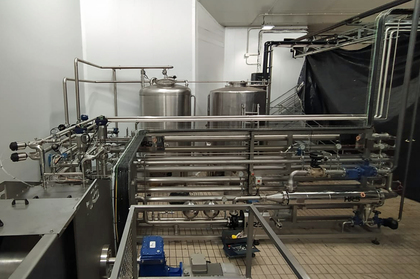
The HRS I Series consists of two different pieces of equipment which can be specified separately or combined into an integrated system.
The HRS IC Series is designed to efficiently de-pack and crush frozen juice from 200 litre drums. It features a roller conveyor which feeds individual drums into a tipper which then empties the contents into a crusher. Here, a specially designed rotating drum fitted with a spiked roller crushes the solid ice into an icy slush suitable for re-melting. This is pumped to the next stage of the process using an integrated positive displacement pump.
The HRS IM Series melts crushed ice and uses using either HRS MI Series multitube or HRS DTA Series double-tube corrugated shell and tube heat exchangers. Depending on the product, the temperature is raised to between 0°C and 4°C in around 90 seconds. From here, the cold liquid juice can be pumped to a holding tank, or straight into the next process step.
Heat comes from hot water on the shell side of the heat exchanger, and the IM Series is fully clean-in-place (CIP) compliant and clad in hygienic stainless steel, with optional insulation to reduce energy loss and protect workers from hot or cold surfaces.
When used together, the HRS I Series is suitable for frozen fruit juice concentrates, fruit juices and purees (up to 70° brix) with a maximum viscosity of 20,000 cP. The I Series can process up to 60 drums (12,000 litres) per hour. As well as de-packing and re-melting, HRS Heat Exchangers can also supply a full range of processing equipment for the juice manufacturing sector, from full turnkey process lines to individual components including tanks, pasteurisation systems and aseptic filling solutions.
For more information, please visit www.hrs-heatexchangers.co.
About HRS Heat Exchangers
Located in Malaysia, HRS Heat Exchangers is part of the EIL Group (Exchanger Industries Limited) which operates at the forefront of thermal technology. HRS offers innovative heat transfer solutions worldwide across a diverse range of industries. With more than 40 years' experience in the food and drink sector, specialising in the design and manufacture of an extensive range of turnkey systems and components, incorporating our corrugated tubular and scraped surface heat exchanger technology, HRS products are compliant with global design and industry standards. HRS has a network of offices throughout the world: Australia, Canada, UK, Spain, USA, Malaysia and India; with manufacturing plants in India, Spain and Canada.
More
Industry News
Fresh-Frozen Herbs Get a Makeover with a Soft, Scoopable Format
Kad Bnei Darom crafts user-friendly, soft frozen minced herbs and condiments to bring convenience to cooking and reduce waste
Key takeaways:
Kad Bnei Darom introduces a new, patented line of frozen culinary herbs and spreads that scoop effortlessly straight from the freezer.
The jars of soft creamy frozen herbs preserve their freshness and creamy texture while saving preparation time in handling fresh herbs and eliminate food waste.
Marketed under the brand Cuca™ the frozen culinary accompaniments come in eight varieties and are available for private label production.
Bnei Darom, Israel – Kad Bnei Darom, Ltd., with more than a half century in herb and vegetable processing, launches a leap forward in fresh-frozen herbs. Kad has crafted a new line of frozen herbs in 200 ml containers. The herbs scoop effortlessly straight from the freezer. Kad also introduces popular spreads, traditionally sold in the refrigerated aisle, into the same frozen format.
Marketed under the brand Cuca™, this new line of scoopable freshly frozen herbs unites convenience with environmental consciousness while responding to the growing consumer demand for minimally processed, food solutions. The frozen herbs come in six varieties: cilantro, parsley, garlic, onion, white and red horseradish. The condiments line includes, sundried tomato spread and olive tapenade who’s quality, freshness and soft texture is maintained through freezing as opposed to refrigeration without the need for preservatives. All are available under private label.
Fresh herbs are culinary kitchen essentials. They are commonly sold frozen and cubed into portions in plastic trays to overcome the myriad of challenges in handling fresh ingredients. Freezing eliminates the preparation time spent washing, drying, and chopping herbs. Freezing also addresses the highly perishable nature and short shelf life of fresh green herbs, which leads to waste and frequent shopping trips. A recent study in the British Food Journal revealed that households only discard 6% of frozen foods compared to much higher rates for fresh produce.
As frozen herbs transition from niche specialty status to one of mainstream convenience, major European retailers and US giants are increasingly launching their own private-label versions. Yet the traditional frozen formats that are popped out of molds come with setbacks: Users often struggle with the packaging to extract the product, the herbs require defrosting due to unworkable hard textures, and the flavor profiles are compromised. Dried herbs, commonplace in the US, lose their volatile oils, impacting flavor, aroma, color, and nutritional value.
Smooth and creamy
Cuca™ frozen herbs and spreads were crafted by Kad in collaboration with Practical Innovation, Ltd., an innovation development firm dedicated to helping companies initiate next-generation solutions. The patent-protected technology involves the use of a plant-protein base combined with freezing-point lowering technology. This creates a soft, creamy texture that is sustained throughout freezing, without the addition of salt, sugar, or fat, and makes the herbs easy to work with even when completely frozen.
“Our Cuca™ frozen herbs are designed to elevate the user experience for the home chef,” proclaims David Ben-Ze’ev, CEO of Kad Bnei Darom. “The smooth, creamy herbs are ready to use straight from the freezer, delivering the precise desired portion with an effortless glide onto the spoon. The jar is then returned to the freezer where the herbs continue to preserve their freshness, flavor, and nutritional value as well as their creamy texture. No defrosting, chopping, or waste.” Cuca™ herbs are also cost-efficient, suitable for repeated, high-volume use and optimizing ingredient performance. Moreover, being able to freeze popular artisan spreads, significantly extends their shelf life while maintaining the same smooth texture and sensory enjoyment.
Farm-to-table
Kad is a veteran company, providing packaged gourmet delicacies for more than half a century. Founded in 1974, the company has long been a leading producer of premium, fresh agricultural produce, including pickled vegetables, olive oil, and condiments. Kad operates as part of the agricultural cooperative village (Kibbutz) Bnei Darom in southern Israel. This allows the company to run an almost vertically integrated operation, having nurtured decades-long partnerships with the farmers who cultivate their raw materials and serve as an integral part of Kad’s production process. Kad Bnei Darom exports its products to Europe, the US, Canada, Australia, Russia and Ukraine.
Bridging tradition and innovation
“While honoring our traditional operations, we firmly believe in combining time-proven methods with a forward-thinking approach to meet the evolving needs of the global market,” declares David Benzeev, CEO of Kad Bnei Darom. “This pursuit inspires us to keep innovating, using our know-how to make fresh, high-quality ingredients—like herbs and condiments—conveniently available year-round, while keeping their natural goodness intact.”
The fresh herbs market currently is valued at around USD4 billion and enjoys steady organic growth, forecast to reach USD5.5 billion by 2030. Within this segment, the global frozen herbs market was valued at USD466 million in 2024, and is projected to surpass USD800 million by 2033, expanding to a robust CAGR of 6.3%. This market growth is primarily driven by the rising demand for convenient, ready-to-use culinary ingredients, sided by increasing awareness about their nutritional benefits and efforts to extend the shelf-life of these daily kitchen features.
“Processors in the frozen food category are actively pursuing new technologies that deliver convenience, wellness, and sustainability,” adds Tal Leizer, CEO of Practical Innovation. “Kad’s collection of frozen herbs will open new culinary horizons for home cooks and professional chefs alike. The curation of Cuca™ frozen herbs is a culmination of Kad’s experience in transforming agricultural ingredients into premium retail products and our expertise in designing new concepts and bringing them to reality.”
Segev Food International, Inc., who specialize in bringing premium Mediterranean food products to the US serves as Kad’s official US distributor.
For more information, contact:
Kad Bnei Daron
David Ben-Ze’ev
CEO
E-mail: [email protected]
Web: www.kad.co.il/en/home-page
More
Exhibition News
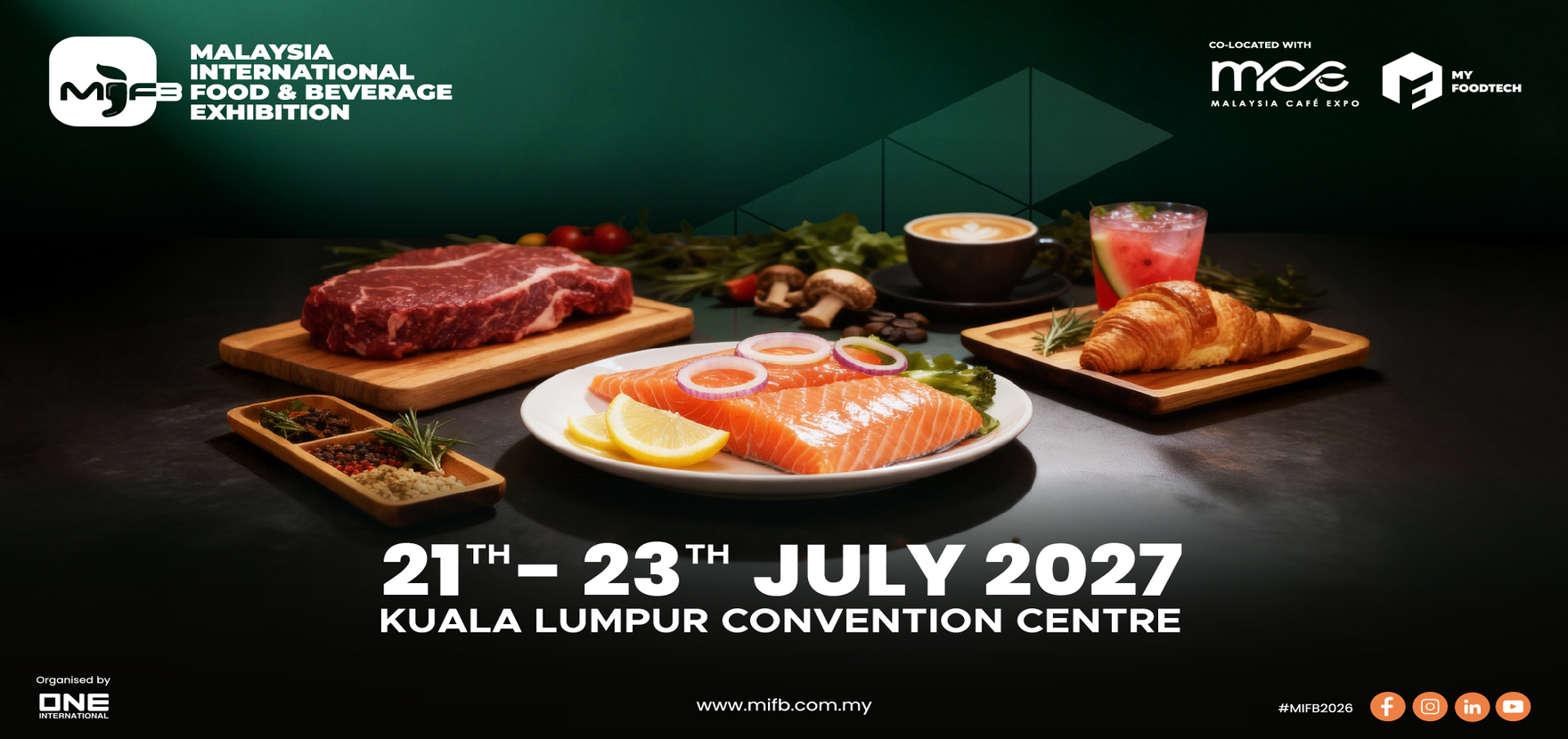
Turn Business Opportunities Into Growth at MIFB
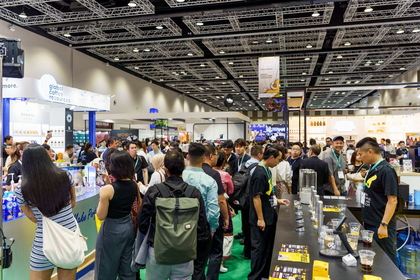
In today's fast-moving food and beverage (F&B) landscape, where buyers prioritise reliability and speed to market, the Malaysian International Food & Beverage Exhibition (MIFB) continues to stand out as a platform that goes beyond creating brand awareness — it drives real business results.
Returning for its latest edition, MIFB brings together global buyers, distributors, and industry players to build meaningful connections that enable growth. From securing deals within weeks to partnerships that unlock new markets, past participants highlight how MIFB accelerates the journey from first meeting to long-term collaboration.
Where Business Matching Leads to Real Growth
For growing brands, gaining direct access to serious buyers and investors can often take months of outreach. At MIFB, these conversations happen face-to-face in a highly targeted environment, designed to connect businesses with the right partners.
For Seito Systems (Malaysia) Sdn Bhd, a technology provider focused on helping F&B businesses streamline operations through digital ordering systems, participating in MIFB opened doors to high-value conversations with operators actively seeking scalable solutions.
“MIFB has been a highly targeted platform for us, as it brings together serious F&B operators, distributors, and technology adopters in one place. Instead of broad outreach, we were able to engage directly with decision-makers who are actively looking to improve their operations,” said Vince Chan, Business Development Manager at Seito Systems (Malaysia) Sdn Bhd.
The merit of these connections extends beyond the first meeting. Through in-person demonstrations, Seito Systems was able to build stronger credibility among potential partners and enter market segments that had previously been difficult to access.
“Being present at MIFB positions us as a serious and committed player. When we follow up, there is already familiarity and trust because buyers have seen our system in action,” Vince added. That experience ultimately led to long-term partnerships.
One of Seito Systems’ business partners shared that what stood out during their first interaction at MIFB was how practical and adaptable the system was to real operational challenges. “The team demonstrated real use cases that aligned closely with our day-to-day operations. Their understanding of F&B challenges and willingness to customise solutions gave us confidence that this would be a long-term partnership rather than just a vendor relationship,” shared Seito’s business partner.
Building Brands Through Exposure and Market Feedback
K3 F&B Sdn Bhd first participated in MIFB to introduce a new brand to the market. According to David Song, Brand and Marketing Manager at K3 F&B Sdn Bhd, the platform provided immediate exposure to buyers and insightful market feedback that helped shape the company’s commercial direction.
“The exposure has been invaluable. During our first participation, we introduced a new brand, and the response was encouraging. It helped build initial recognition and opened the door for more meaningful conversations with buyers,” shared David.
Beyond visibility, the direct interactions with buyers also gave the team a closer look at regional market behaviours and expectations. “The feedback gave us clearer direction, especially in refining our approach to product demonstrations and understanding different market behaviours across regions. It also helped us fine-tune how we position our offerings to better match buyer expectations.”
That clarity translated into tangible business outcomes shortly after the exhibition. “We managed to close our first deal within a month after the event. MIFB definitely helped accelerate conversations and gave us quicker access to potential buyers, including those we may not have reached through our usual channels,” David added.
A Strategic Platform for Buyers Seeking Innovation
As ASEAN continues to emerge as a key sourcing hub for the global food and beverage industry, MIFB is a strategic gateway for buyers seeking high-quality suppliers, breakthrough innovations, and future-ready products shaping the next wave of consumer demand.
For Chuen Cheong Food Industries Pte Ltd, a food and beverage sourcing company established in 1930, the pursuit of innovation has always been part of its DNA. Founded with the vision of bringing innovative and high-quality food and beverage products to global markets, the company was built on recognising the growing demand for healthier, more sustainable, and diverse F&B offerings.
Today, platforms like MIFB play an important role in helping the company continue that mission. “I chose to return to MIFB because of the strong business matching opportunities and the quality of international exhibitors. Compared to other F&B exhibitions, MIFB stands out for its diverse product innovations, well-organised hosted buyer programme, and focus on connecting buyers with relevant suppliers,” said Ang Wei Kok, Business Development Manager at Chuen Cheong Food Industries Pte Ltd.
As a hosted buyer at MIFB 2025, the company secured multiple supply agreements with international exhibitors, resulting in confirmed contracts valued at five-figures. “These deals covered diverse product categories and strengthened our sourcing portfolio. The hosted buyer programme directly facilitated these outcomes by connecting us with high-quality suppliers, ensuring tangible business results from our participation.”
Powering the Future of F&B Connections
As MIFB continues to evolve as a trade-first platform, its role extends past connecting businesses — it empowers them to scale with confidence. By combining targeted matchmaking, industry insights, and international participation, MIFB is shaping a more connected, future-ready F&B ecosystem, where every interaction has the potential to create a lasting impact.
For exhibitors like Coffex Coffee, the platform also serves as a valuable space to learn from seasoned industry players and gain meaningful feedback from the specialty coffee community.
“Conversations with people who know coffee and know our brand aren’t shy about telling us where the bar is,” shared Kelvin Ngow, Chief Executive Officer at Coffex Coffee. “That quality of feedback, from people who are themselves shaping the industry through competitions like MNCC, pushes us to stay sharp — in our roasting, in how we support our wholesale partners, and in how we position Coffex as a full ecosystem brand, not just a coffee supplier.”
MIFB 2026 is open to trade visitors and participants only. Exhibitors are encouraged to secure their participation early, with over 90% of booth spaces already booked and limited slots remaining. Buyers and trade visitors should also register now to gain exclusive access to curated business matching sessions, emerging F&B innovations, and key industry insights. For registration and more information, please visit https://mifb.com.my/exhibit/
For more information, please contact Mutant Communications at [email protected]
Aina Farid +604 360 3011
About MIFB
The Malaysian International Food and Beverage Trade Exhibition (MIFB) is the country’s leading food and beverage trade event. For over 25 years, the annual industry event has connected local, regional, and international businesses to consumers and stakeholders across the F&B value chain throughout the ASEAN region.
As the strategic gateway to Southeast Asia, MIFB connects international manufacturers, established regional players, and homegrown innovators on a single platform to drive sustainable and meaningful business growth. Co-located with MyFoodTech and Malaysia Café Expo (MCE), MIFB empowers businesses to navigate market complexities, access new export pathways, and champion the innovations shaping the future of food. MIFB is organised by Constellar and endorsed by MATRADE.
About One International
Founded in 2011, One International Group has grown into one of Malaysia’s leading international exhibition and convention industry operators. The Group focuses on building a professional MICE ecosystem that connects industries, capital, and global markets through high-quality trade exhibitions and strategic partnerships. Guided by long-term vision and deep industry expertise, the Group integrates international resources to deliver comprehensive exhibition platforms with strong capabilities in professional curation, commercial conversion, and international collaboration. Its clients include government agencies, industry associations, multinational corporations, and regional market leaders.
One International Group operates across key industrial sectors including agriculture, construction and infrastructure, construction hardware, construction and mining machinery, food and beverage, and traditional and complementary medicine. Through its exhibition platforms and partnerships, the Group serves as a key connector within these industries, enabling regional and global stakeholders to access market opportunities, technology exchange, and supply chain integration across Southeast Asia.
In 2025, One International Group entered a new growth phase following a strategic investment from Catcha Digital Berhad, accelerating its digital transformation and regional expansion. The Group continues to strengthen its role as a regional bridge between industries and global markets, while advancing Malaysia’s position as a hub for international trade exhibitions
More